
Actionable Tips and Strategies
To better implement Ecotourism and Sustainable Development, many aspects need to be implemented in a balanced way:
- ✔ Conservation of natural areas
- ✔ Minimising environmental impact
- ✔ Supporting local communities
- ✔ Waste reduction and resource management
- ✔ Preserving cultural heritage
- ✔ Fostering educational programs and awareness
- ✔ Collaborating with the local community, NGOs
Several approaches to Ecotourism bring together many tips and strategies under the same title; the most comprehensive ones that should be adopted for the good implementation of ecotourism are listed.
Slow travel
It is an approach that is very parallel to Ecotourism that emphasises staying in one place for longer and connecting with local people, culture, food, and music, rather than travelling too far to see only “quick-photo-stops”. This approach and Ecotourism have the same roots, avoiding all the causes of overconsumption of tourism. Promote eating local food, joining the local ceremonies/ festivals/entertainment, and shopping from locals; this way, you will reduce your carbon emissions, support local people and have more connection to them, preserve the cultural heritage, and foster the awareness of tourists.
DO DON’T


Image 6 Image 7
Live like a local Stop rushing your vacation
Leave No Trace
This concept emphasises the importance of planning outdoor activities, bringing necessary materials, and properly disposing of waste. Respecting nature, wildlife, and other visitors helps prevent pollution, supporting sustainable development by preserving the environment for future generations.
Encourage tourists to support conservation efforts, raising awareness among both visitors and locals. This fosters environmental education and helps minimise tourism’s environmental impact, achieving the goals of ecotourism through both short-term actions and long-term lifestyle changes.
DO DON’T


Image 8 Image 9
Clean up after yourself Don’t choose single-use plastics
Net Zero Carbon
Oxford Net Zero stated that Net Zero refers to the greenhouse gases going into the atmosphere being balanced by removal from the atmosphere. Net Zero aims to decrease carbon emissions that nature can absorb and leave zero in the atmosphere. Encourages all to choose less harmful options. For instance, fossil fuels are the largest cause, accounting for more than 75% of global greenhouse gas emissions.
Travelling by plane would be the option that could cause the most damage. On the other hand, public transportation, car-pooling, and bicycles are the safest for nature and the best options for your budget.
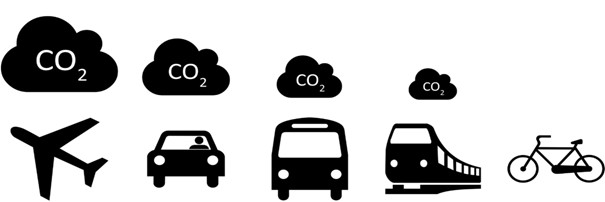
Of course, not only do vehicles cause carbon emissions, but accommodation causes overconsumption of energy, thus increasing the carbon footprint. Promote eco-friendly lodgings: campsites, eco-friendly hotels, glamping, sustainable hostels…
Food supply is also responsible for a remarkable part of overall carbon emissions, especially when food is supplied from long distances because of the transport process. Thus, promote eating locally sourced organic food in parallel with Ecotourism. This is a good way to show appreciation for local cuisine/culture and support them economically.