
Actionable Tips and Strategies
1. Greenwashing
Communicating without greenwashing

The concept of greenwashing was explained in other modules, but it can be explained as an attempt by companies or organisations to present a public image of environmental responsibility without undertaking meaningful actions to mitigate the environmental impact of their activities. It is a way of deceiving or manipulating the public, creating the false impression that a product, service, or even the entire company is “green” or sustainable, when their practices are superficial or even harmful to the environment.
Many believe there are no consequences to misleading communication; however, greenwashing can cause serious damage to the reputation of a community and, in many countries, has legal repercussions. Stay vigilant about companies that frequently engage in greenwashing, and steer clear of this deceptive practice in your professional conduct. Communicating sustainability truthfully and transparently is essential for building trust and achieving genuine impact.
Case Study: H&M and greenwashing in fashion

In 2022, H&M faced backlash for its “Conscious Collection,” which marketed clothing as sustainable. However, an investigation by the Norwegian Consumer Authority found misleading claims; some products labelled as “eco-friendly” had higher environmental impact scores than conventional products. This led to consumer lawsuits and forced the company to reassess its sustainability strategy.
Tourism businesses can learn from this case by
- Avoiding vague terms like “eco-friendly” without certification.
- Providing concrete data to support sustainability claims.
- Being transparent about what efforts are still in progress.
Lesson
Always prove your sustainability efforts through third-party certifications, measurable impact reports, and ethical marketing strategies.
Case Study: Volkswagen emissions scandal

Volkswagen falsely marketed “clean diesel” vehicles as eco-friendly when they emitted far more pollutants than legally permitted. This scandal resulted in $30 billion in fines and severe reputational damage.
Lesson
Be transparent in sustainability claims, as deceptive marketing can have severe consequences.
2. How to start
With all references supporting your communication and promoting sustainable goals, relationships can be built with stakeholders to disseminate the cause and offer personalised services to target audiences.
Here are some tips from the EarthCheck 2024 manual:
Sustainability storytelling for tourist destinations:
Visitors and potential visitors
The typical ecotourist profile (persona) discussed here is a woman from a developed country with a high level of education and income, and slightly older than the average tourist. There are two main types of ecotourists: the “hard” ecotourist has a deep interest in nature, willing to face challenges and live with minimal comfort for extended periods to have authentic experiences.
Meanwhile, the “soft” ecotourist has a more casual interest, seeking a less direct and more comfortable experience, such as visiting interpretive centres. This “soft” profile can make ecotourism more accessible, bringing it closer to mass tourism (Roseta, P., & Sousa, B. M, 2019).
For both types of participants, it is beneficial to:
- Encourage dialogue on the topic through reflections in the media where you are present (physical or digital) and seek to attract visitors with messages that highlight the community and demonstrate the benefits of sustainable tourism.
- Keep them engaged with new information, encouraging them to not only learn about these places but also preserve them as if they were “locals.” Research the daily lives of the community with local residents.
- Take conscious actions regarding your communication distribution method (e.g., plastic, paper usage) and, in digital media, strive for inclusive and educational language that all stakeholders can understand.
Community
In your professional activities, involve the community by highlighting their contributions in terms of sustainability, responsible tourism, and heritage preservation in your region. Strive to understand the local history and its transformations over time. Be conscious and report harmful practices when they occur to prevent recurrence. Whenever possible, participate in congresses and studies related to the topic in your region or nearby areas.
Tourism sector
Pay close attention to sustainability efforts within the entire local community where you work. One example is the hospitality sector, where best practices, such as green energy decisions, carbon neutrality, and adherence to the United Nations Sustainable Development Goals (SDGs), can serve as guidelines to adapt your company or desired project. Greenwashing should be carefully observed and reported whenever possible.
Governments and management bodies
Local, regional, and national public administration bodies adopt various sustainability messages and provide data that can help shape your narrative when communicating. In this regard, seek their support to understand cultural and sustainability-related facts and adapt them to your story.
Industry and businesses
Collaborate with local businesses aligned with your vision to establish and develop partnerships. Foster open communication with specialists, journalists, external media, and universities. Many companies demonstrate good sustainable management practices that can be adopted and disseminated effectively in other.
Sustainable tourism promotes local development and invests in people rather than large corporations. Engaging and supporting local businesses can significantly contribute to the regional economy.
Key leaders/individuals
Invite individuals who are positive leaders in sustainability within the community to collaborate on your activities. Listen to their input to identify with and build your narrative more authentically.
3. How to communicate
This session is enriched by the article “What are the best sustainable tourism marketing strategies?” and draws on artificial intelligence, LinkedIn expert insights, and best practices from Contextos.
Ethics
Avoid creating facts you cannot prove. Studying sustainability and its presence (or absence) in your region is important. Steer clear of exaggerations or misleading information, especially given the risks associated with greenwashing.
Case example:
Booking.com’s “Travel Sustainable” Badge. To tackle greenwashing concerns, Booking.com launched the “Travel Sustainable” program in 2021.

Instead of vague claims, hotels must meet specific sustainability criteria, like renewable energy use or waste reduction. This initiative helps people make responsible choices, promoting verified sustainability over marketing gimmicks.
Consider your context
Engage with your audience by listening to them, participating in conversations (both online and offline), and providing content that builds community connection and environmental awareness.
Communicate your product or service’s unique value proposition through its characteristics, benefits, and experiences, including scenic landscapes, diverse wildlife, rich heritage, outdoor activities, and local gastronomy.
Build trust
People form stronger emotional bonds when exposed to genuine, inspiring stories. Share stories from residents, tourists, or team members about tourism’s positive impact on the region to humanise your communication. Short videos or blog posts showing the behind-the-scenes work of sustainable initiatives help make your message tangible and relatable.
Be transparent with your audience about your sustainability goals and progress. Collaborate with the stakeholders mentioned earlier or create new partnerships to develop a shared vision, mission, and brand identity for the destination that reflects all stakeholders’ sustainability objectives and values.
Measure your impact
Monitor and evaluate your impact to understand what works and what doesn’t. This involves gathering feedback from the community, visitors, tourism businesses, and local organisations.
It also means setting goals and key performance indicators for your communication channels. Utilise surveys, assessments, testimonials, statistics, reports, and awards to demonstrate the destination’s satisfaction, loyalty, reputation, and recognition.
Case example:
Chile’s EcoCamp Patagonia reports annual sustainability audits, tracking energy efficiency and waste reduction to ensure long-term progress.

Using technology
Technology is a powerful tool to amplify reach and enhance visitor experiences. Developing a mobile app or digital platform with information on tourist activities, environmental impact, and sustainability data makes this information easily accessible.
Additionally, using augmented reality (AR) can offer immersive experiences, such as showing visitors what a place looked like in the past or illustrating the outcomes of sustainable actions.
Case example:
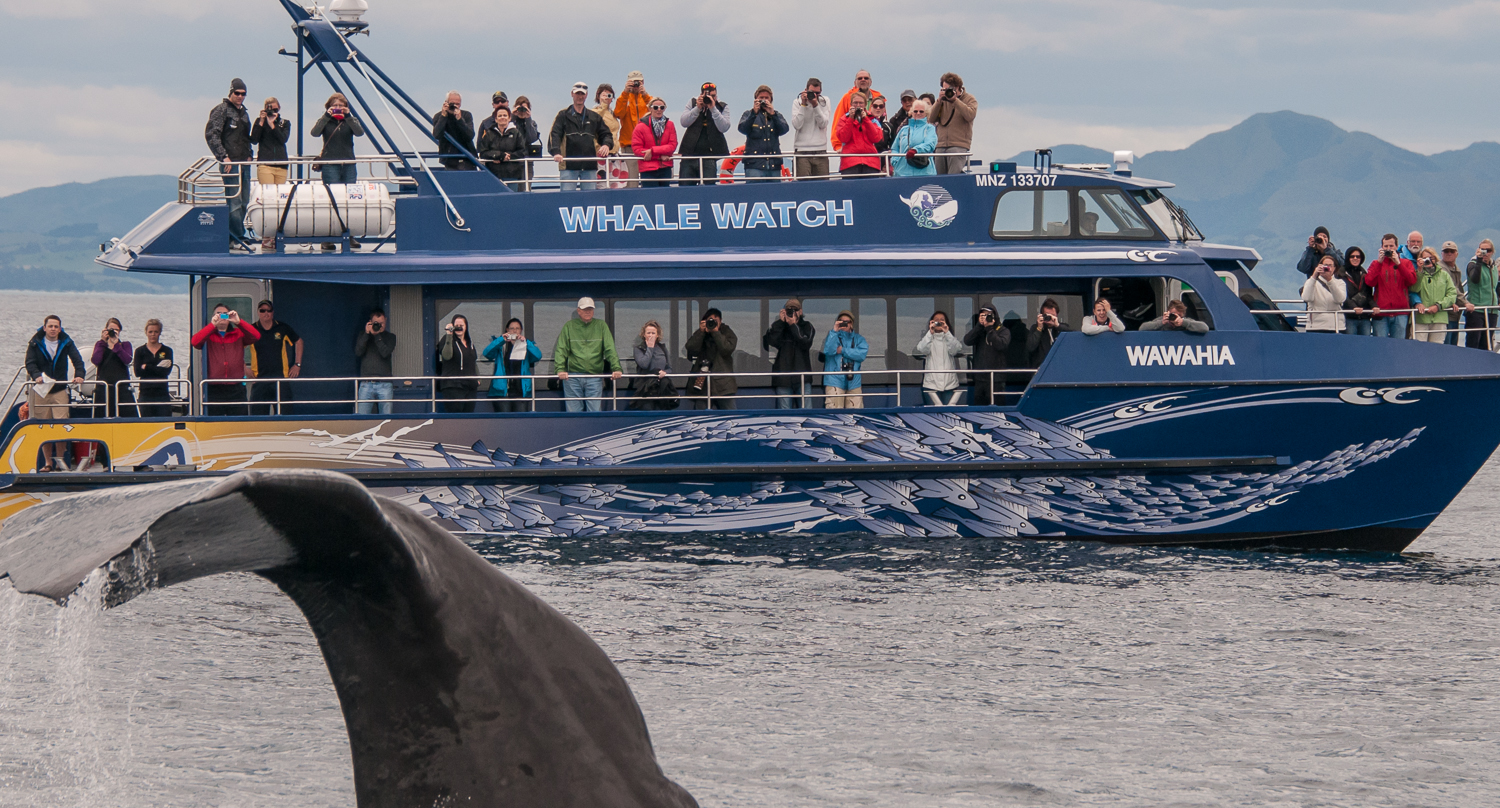
In New Zealand, Kaikōura Whale Watch uses AI and marine tracking tools to give visitors insights into whale conservation, making their tours both educational and immersive.
Education as an ally
Educating both tourists and the local community is crucial for fostering lasting change. Creating educational materials such as guides, brochures, or videos that explain sustainable practices and highlight the importance of environmental preservation can have a widespread impact. Organising lectures, workshops, community events, and more can also effectively raise awareness and engage people in committing to responsible tourism.
Case Example:
In Costa Rica, Lapa Rios Ecolodge involves local communities in its operations, ensuring that 80% of its employees are from the region. Visitors engage in cultural immersion activities, strengthening the local economy while fostering sustainability.

4. Looking for content ideas
Creating engaging and educational content is key to promoting sustainable tourism. Here are some powerful content formats to consider:
Blogs & articles: Write about eco-friendly travel tips, destination guides, or interviews with sustainability experts.
Videos & reels: Showcase breathtaking landscapes, behind-the-scenes conservation efforts, or tourists’ testimonials.
Infographics: Create visually appealing sustainability facts, eco-travel guides, or carbon footprint comparisons.
Case studies: Highlight real-world examples of successful sustainable tourism initiatives and their impact.
Social media content: Share quick sustainability tips, interactive polls, or engaging Instagram Stories, Reels, and TikTok.
Newsletters: Keep your audience informed with updates on eco-tourism trends, special sustainable travel offers, and community projects.
Podcasts & interviews: Feature conversations with local guides, conservationists, and responsible tourism advocates.
Guides & e-books: Provide in-depth insights on responsible travel, packing sustainably, or choosing eco-certified accommodations.
Tip: Mix and match different formats to reach a wider audience and create engaging, educational, and shareable content.
Example blog post: Top 5 Eco-Friendly Destinations in Europe
Example video topic: “How Ecotourism is Changing the Travel Industry”