
Conceptual Framework
Imagine creating an ecotourism business that offers unforgettable experiences for travellers while preserving the environment and uplifting local communities. This is the essence of sustainable business planning and financial management in ecotourism. In a time when sustainability is more important than ever, there is a growing need for entrepreneurs who can combine innovation, responsible practices, and strategic planning to build businesses that benefit both people and the planet.
This module will empower you through the fundamentals of business planning and financial management, focusing on innovation, risk assessment, and compliance with legal frameworks, to build successful and responsible ecotourism projects.
Key concepts:
Sustainable business planning
Sustainable business planning in ecotourism is not just about creating a viable business model but about designing one that creates a lasting positive impact. A sustainable business plan is a strategic document that outlines a company’s vision, objectives, and action plans while integrating environmental stewardship, social responsibility, and economic viability. It serves as a roadmap for achieving profitability while minimising environmental impact and fostering positive contributions to local communities.
Financial management for sustainability
Financial management connects the economic goals of an ecotourism business with its commitment to sustainability. It ensures that resources are not merely allocated for profitability but are actively invested in eco-friendly practices and community development.
Risk and compliance management
Risk and compliance management is the cornerstone of building ecotourism ventures that are resilient and responsible. It requires a thoughtful approach to identifying potential challenges, navigating regulatory landscapes, and ensuring that every aspect of the business aligns with ethical and sustainable practices. By prioritising compliance and addressing risks proactively, ecotourism businesses can safeguard their operations, preserve the environment, and maintain the trust of their stakeholders.
1. BUSINESS PLANNING FOR ECOTOURISM
1.1. Entrepreneurial skills
Tourism businesses vary widely, from travel agencies to eco-lodges and startups in responsible tourism. Each has unique goals and challenges, requiring an entrepreneurial mindset.
To achieve this, the entrepreneur must demonstrate flexibility and forward-thinking across three dimensions: economic, environmental, and social. It is also necessary to possess skills in innovation, market identification, resource management, and strategic partnerships (cf. Module 5).
Key entrepreneurial qualities include:
a) Vision and purpose-driven leadership
Ecotourism entrepreneurs are guided by a clear mission to create a positive environmental and social impact. They understand the “why” behind their venture (preserving biodiversity, uplifting local communities, or promoting cultural education) and use this purpose to shape their entire business model. This sense of mission helps maintain integrity, consistency, and authenticity, which resonate strongly with conscious tourists.
b) Market awareness and research skills
Identifying and understanding target markets is crucial. Entrepreneurs must conduct thorough research to recognise emerging trends, such as the growing demand for green accommodations, wildlife conservation experiences, or community-based cultural exchanges. They must also analyse competition, pricing strategies, and distribution channels (e.g., online booking platforms, specialised eco-tourism networks). Clear market insights enable entrepreneurs to position their offerings effectively and respond to changing tourist preferences.
c) Cultural sensitivity and community engagement
Successful ecotourism ventures often rely on meaningful collaborations with local populations. Entrepreneurs need empathy, interpersonal skills, and cultural awareness to engage communities as partners rather than mere suppliers. This can mean including local guides in decision-making, showcasing traditional crafts and cuisine, or investing in community development initiatives. By creating shared value and respecting local customs, entrepreneurs enhance the authenticity and sustainability of their offerings.
d) Resource stewardship and operational efficiency
Ecotourism entrepreneurs must optimise resources to reduce environmental footprints and ensure long-term viability. This includes managing energy use, water consumption, and waste reduction processes, as well as investing in renewable energy systems, eco-friendly construction materials, and biodiversity-friendly landscaping.
Efficient resource management not only conserves nature and reduces costs but also strengthens the brand’s green credentials.
e) Risk assessment and flexibility
The ecotourism landscape can be volatile; shifts in environmental regulations, climate patterns, or geopolitical conditions may affect visitor flows and operating costs. Entrepreneurs must be adept at conducting risk assessments (using tools like SWOT or PESTEL), identifying potential threats, and formulating contingency plans.
Being flexible and open to pivoting when faced with changing circumstances is a critical entrepreneurial skill that ensures resilience and business continuity.
f) Innovative thinking and value creation
Innovation lies at the heart of successful ecotourism ventures. Entrepreneurs should constantly seek new ways to enrich visitor experiences, adopt emerging technologies (e.g., virtual reality tours of protected areas, solar-powered transportation solutions), and create unique value propositions. This might involve offering off-season workshops (like permaculture courses or artisan craft classes), integrating local storytelling into tours, or using digital tools to enhance learning about ecology and culture.
g) Ethical judgment and long-term perspective
The entrepreneur’s sense of responsibility must extend beyond adhering to legal requirements. Ethical leadership means considering the potential long-term impacts of business decisions on ecosystems, heritage sites, and local livelihoods. It means choosing fair labour practices, fair pricing for suppliers, and transparent communication about sustainability claims. Entrepreneurs who consistently apply ethical judgment build trust with tourists, partners, and communities, laying the groundwork for lasting success.
1.2. Risk Assessment
Risk assessment involves analysing uncertainties and potential obstacles that a business might face, aiming to identify strengths, weaknesses, opportunities, and threats. For an ecotourism business, this includes environmental, economic, social, and operational risks. Those risks can be evaluated in three steps.
Steps in Risk Assessment:
1. Identify risks
You must identify the potential risks your business may encounter, and there are different types of risks.
-
Internal risks
Operational weaknesses
It refers to inefficiencies in the internal processes, systems and capabilities that hinder its capacity to operate effectively. For example, it can be poor water and energy management or poor upkeep of infrastructure leading to negative visitor experience, environmental damage and high utility costs or waste.
It can also refer to a lack of training of the staff in eco-friendly practices, leading to waste and poor communication of the business’s sustainable goals to guests.
Limited resources
They refer to the constraints or insufficiencies in the availability of essential assets, such as finances, human capital, technology, infrastructure, or natural resources, that a business needs to operate effectively and achieve its goals. These limitations can affect the ability of an organization to scale, innovate, or sustain its operations. For instance, it can be insufficient capital to invest in new sustainable technologies such as solar panels or rainwater harvesting systems or booking platforms. It can also refer to a dependency on finite local natural resources such as land, freshwater or biodiversity.
-
External risks
External risks are potential challenges or uncertainties that arise from outside a business’s control and can negatively impact its operations, profitability, or growth. These risks stem from the external environment in which the business operates, including:
Political factors, changes in government policies or political instability can disrupt operations.
Economic factors, global or local economic downturns, inflation, or currency fluctuations can reduce demand for tourism.
Social factors, changes in consumer behaviour, cultural differences, or conflicts with local communities can affect a business.
Technological factors, rapid advancements in technology, may leave a business using outdated systems or tools.
Environmental factors, natural disasters, climate change, or environmental degradation can disrupt operations
Legal factors, new laws or stricter enforcement of existing regulations may increase operational costs or restrict activities.
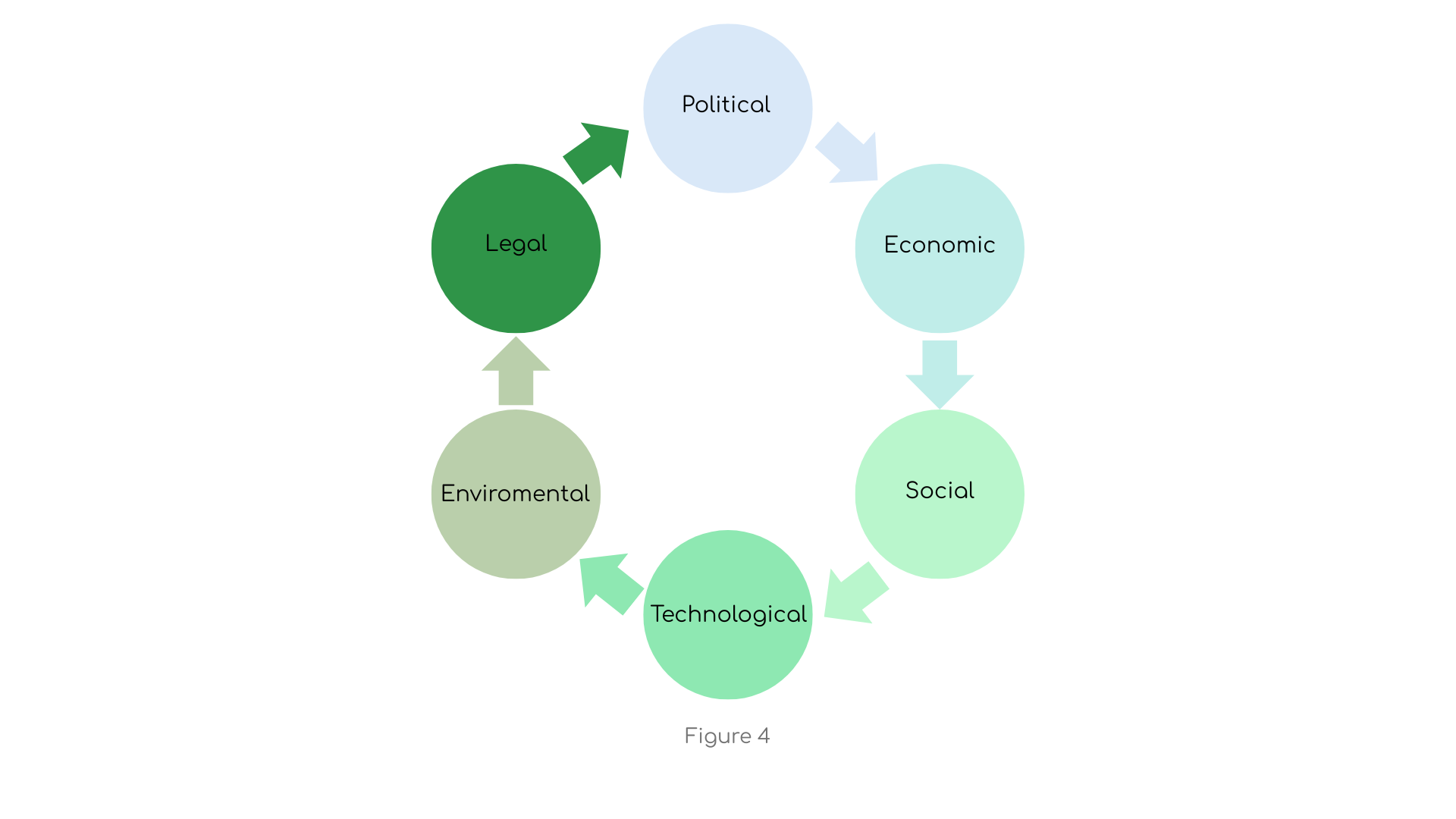
To define the external risks, you can use frameworks like PESTEL (Political, Economic, Social, Technological, Environmental, Legal) to analyse those factors.
2. Analyse risks
Once you have finished defining the potential risks, you need to classify them based on their likelihood and impact.
To achieve this, you can use a risk matrix addressing these two questions:
- What is the likelihood of the risk occurring?
- What is the impact of the risk if it occurs?
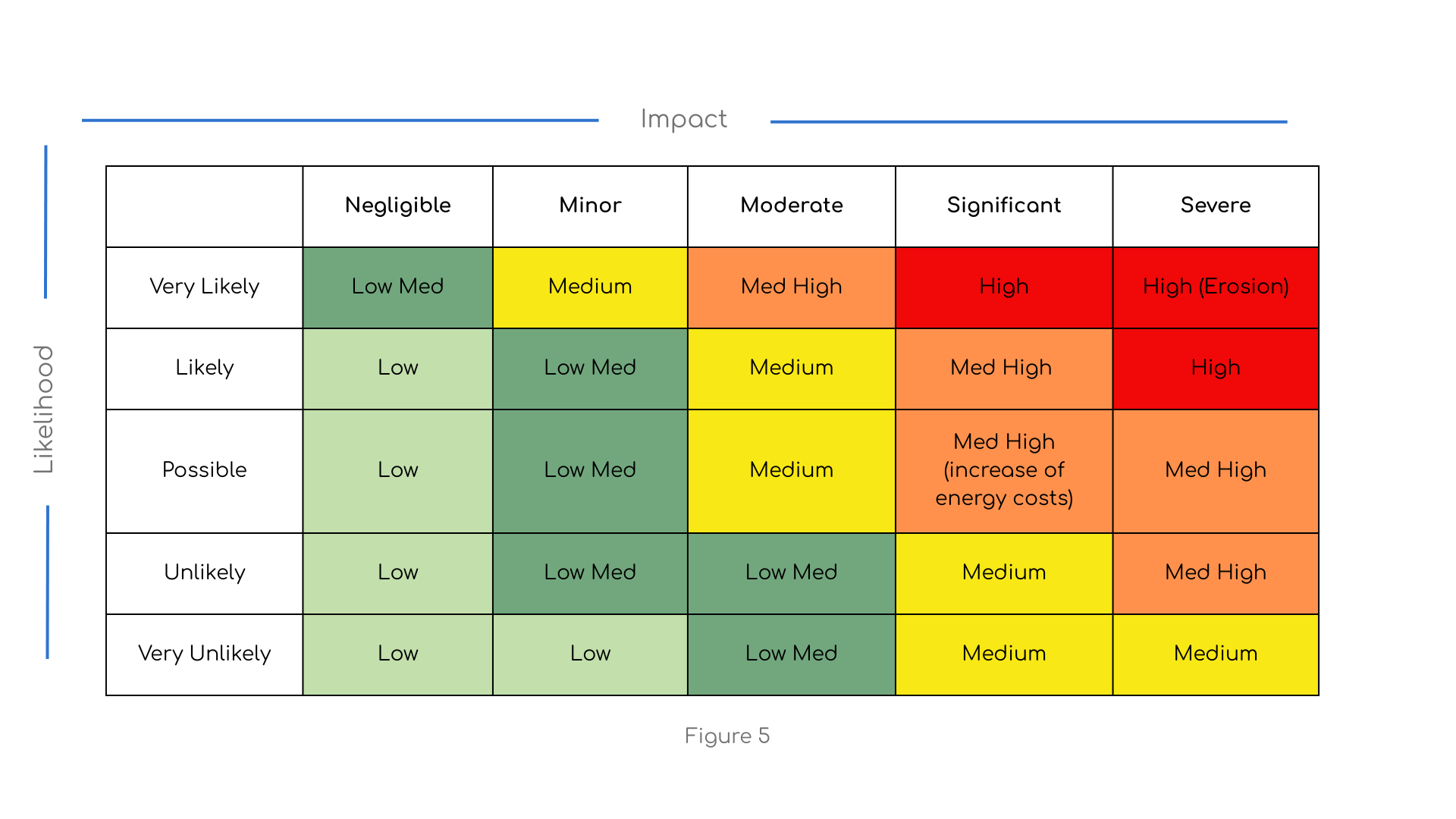
For example, a risk for a hiking travel agency is erosion caused by repeated hikes in sensitive areas. The probability of this risk is very likely, and its impact is also severe. In economic terms, a risk could be the increase in energy costs for a transport company. The probability of this risk is possible, but its impact is significant. Therefore, it should be prioritised in the action plan.
3. Mitigate risks
Once the analysis is complete, you must develop strategies to minimise the impacts of the identified risks. These strategies should align with your available resources and the significance of each risk.
Major risks require particular attention and priority strategies, which are often more costly. In contrast, minor risks typically demand fewer resources and are not prioritised, though they should still be addressed to ensure overall stability.
For example, a travel agency can subscribe an environmental insurance to protect against unexpected ecological damages, such as soil erosion or natural disasters, which can disrupt operations. Businesses can also focus on diversifying revenue streams by offering complementary services, such as educational workshops or off-season activities, to reduce dependence on a single source of income.
2. SUSTAINABLE FINANCIAL MANAGEMENT
Sustainable financial management is a way of managing a business that balances profitability with environmental and social responsibility. The idea is to ensure that companies do not only focus on short-term profits but also consider the long-term impact of their activities on the planet and society.
Why is it important in tourism?
Tourism businesses interact directly with nature and local communities. For example:
- Hotels consume energy and water, and they produce waste.
- Tour operators may disturb natural habitats with transportation or over-tourism.
Today’s travellers are increasingly aware of these issues. They prefer to stay with businesses that care for the environment and respect local cultures. A sustainable business model can help attract these eco-conscious tourists while ensuring the company’s long-term success.
2.1 Identifying resources and expenses
Within the framework of the Business Model Canvas, managing key resources and cost structures is crucial.
a) Key resources
These are the essential elements needed for your business to operate. In the tourism sector, they include:
- Infrastructures: Accommodations (e.g., hotels, guesthouses), transportation (e.g., shuttles, boats), leisure facilities (e.g., swimming pools, adventure parks).
- Human resources: Qualified staff (e.g., hotel managers, hospitality teams), tour guides, event planners.
- Natural resources: Landscapes (e.g., beaches, mountains), parks (e.g., national parks), cultural heritage (e.g., historical monuments), biodiversity (e.g., coral reefs, wildlife).
b) Main expenses
A tourism business typically incurs the following types of expenses:
- Fixed costs: Salaries for staff, maintenance of facilities (e.g., regular repairs, cleaning), taxes (e.g., property tax, tourism tax).
- Variable costs: Consumables (e.g., toiletries in hotels, fuel for transportation), supplies (e.g., linens, office supplies), energy costs (e.g., electricity, heating).
- Environmental costs: Waste management (e.g., recycling programs, trash collection), carbon offset initiatives (e.g., funding tree planting or renewable energy projects).
For example, a boutique eco-lodge may install solar panels to lower electricity expenses while reducing its carbon footprint. Similarly, a wildlife safari company might allocate funds to maintain protected areas and support wildlife conservation efforts. Additionally, a tour operator could use biodegradable materials for picnic setups to minimise environmental impact and align with eco-tourism principles.
Balancing expenses and revenues is essential to ensure financial sustainability. First, compare your fixed and variable costs with your primary and secondary revenue sources to identify any financial gaps that may need to be addressed. This analysis helps you understand where expenses outweigh income and where adjustments can be made.
Next, reinvest a portion of your revenue into sustainable practices. For instance, upgrading to energy-efficient systems or implementing waste reduction strategies can reduce long-term operational costs and appeal to eco-conscious customers. Such investments not only benefit the environment but also improve the business’s reputation.
Finally, diversify your revenue streams to reduce reliance on seasonal tourism or a single income source. Offering off-season services like workshops or collaborating with local businesses can create additional income opportunities and stabilise revenue throughout the year. This approach ensures a more resilient and balanced financial model for your business.
2.2 The Sustainable Business Model Canvas for tourism businesses
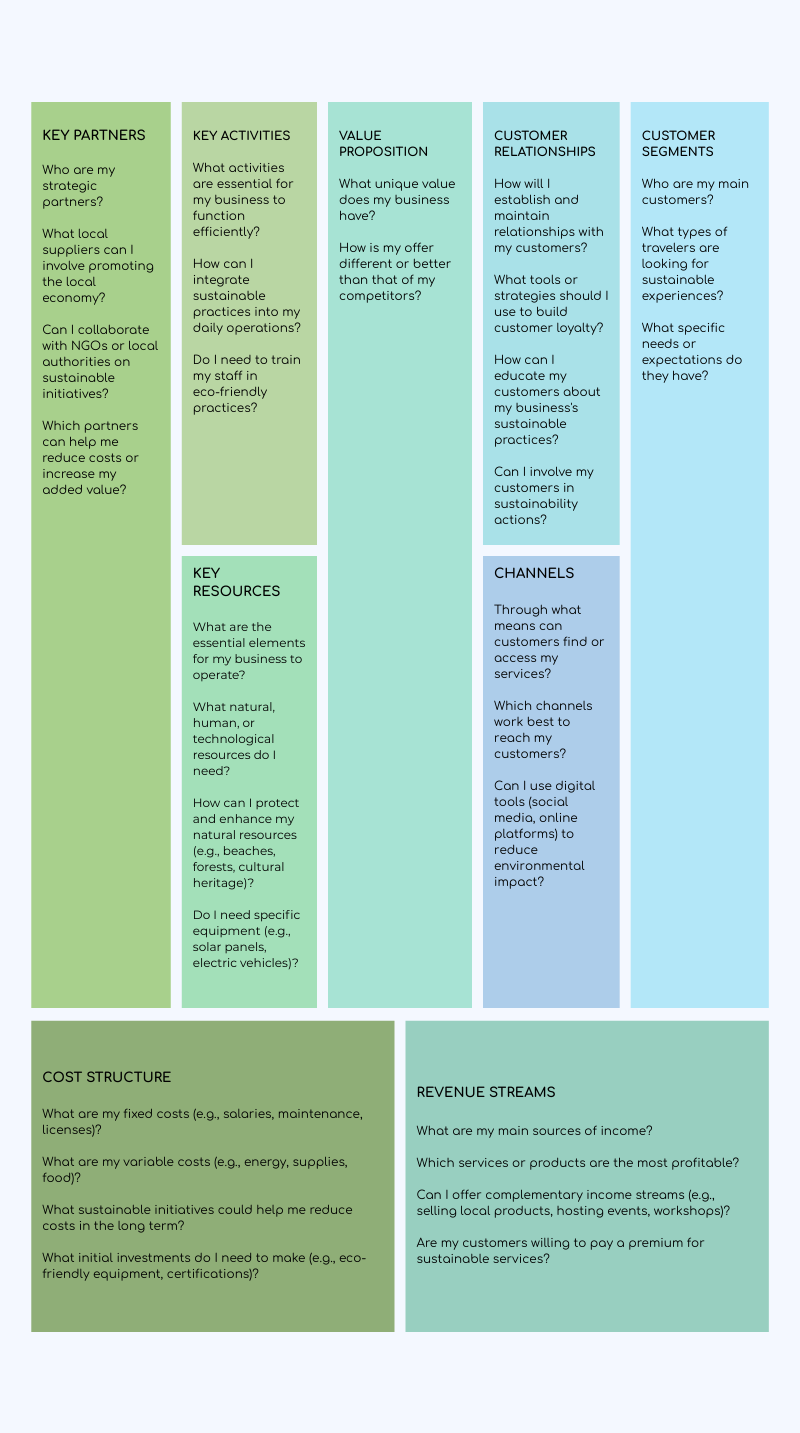
The Business Model Canvas (BMC) is a powerful tool that helps businesses describe, design, and evaluate their economic model. It allows you to map out the key aspects of your operations, including the sources of value you provide to customers and how you create and sustain this value.
For sustainable tourism businesses, the BMC is adapted to emphasise environmental and social responsibilities, making it an ideal framework for eco-conscious enterprises.
You can look at the following video to understand why and how you can use the BMC:
https://www.youtube.com/watch?v=QoAOzMTLP5s
Why use the Business Model Canvas?
- The BMC helps tourism businesses clearly define their economic model, outlining where revenues come from and how they are distributed across key expenses.
- It allows you to articulate your value proposition, which is the core of what differentiates your business. For sustainable tourism, this might include eco-friendly practices, cultural authenticity, or contributions to local communities.
- By visualising all aspects of your business in one place, the BMC helps identify potential weaknesses or opportunities for improvement, particularly in sustainability efforts.
- It aligns your operations, partnerships, and customer strategies with your sustainability goals, ensuring every element of the business contributes to a positive environmental and social impact.
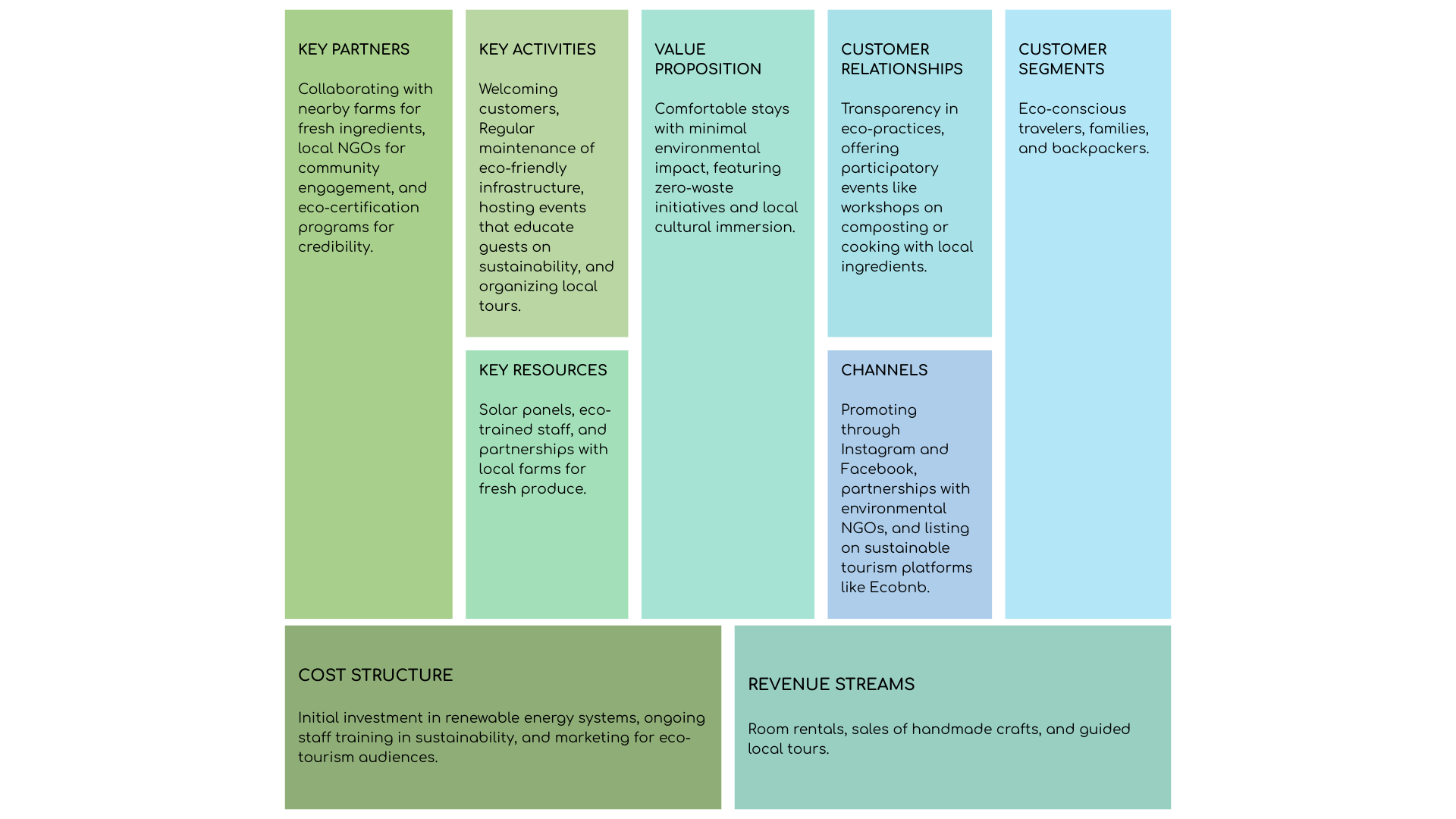
For example, let’s break down the BMC for an eco-friendly guesthouse:
2.3 Identifying funding sources for sustainability
Sustainability often requires upfront investments in eco-friendly infrastructure, renewable energy, or community development initiatives. However, numerous funding options are available at European, national, and regional levels to support sustainable tourism businesses.
In the European Union (EU)
The European Union offers several programs aimed at supporting the sustainable transition of tourism businesses, regardless of their type or sector of activity. These programs provide funding for a wide range of initiatives, including training, investments in green technologies, obtaining eco-certifications, and business development. By leveraging these resources, tourism businesses can enhance their sustainability efforts, improve operational efficiency, and align with the growing demand for eco-conscious travel experiences.
- LIFE Programme
- Horizon Europe
- European Regional Development Fund (ERDF)
- European Agricultural Fund for Rural Development (EAFRD)
- COSME (EU Programme for SMEs)
- LEADER Programme
- Interreg Europe
- Regional Subsidies (France)
- Spain – Plan de Sostenibilidad Turística
- Italy – Fondo Nazionale Turismo
Crowdfunding and private investments
- Crowdfunding
- Green Investment Funds
Sustainable tourism loans and incentives
- Green loans
- Tax incentives
3. NAVIGATING THE LEGAL LANDSCAPE AND UPHOLDING ETHICAL STANDARDS IN SUSTAINABLE TOURISM
3.1 Understanding the European Regulatory Framework for Sustainable Tourism
Sustainable tourism in Europe is guided by a robust legal framework composed of directives, regulations, and policy initiatives designed to balance economic growth, environmental protection, and cultural heritage preservation. These laws aim to ensure that tourism activities contribute positively to local communities, respect natural and cultural assets, and align with the principles of sustainable development.
3.1.1 Key European Union Directives and Regulations Affecting Tourism
The European Union (EU) provides a legal foundation for sustainable tourism through directives and regulations that govern environmental quality, consumer protection, and resource efficiency. While the EU does not have a single overarching tourism law, several policies and frameworks influence the sector:
Environmental Impact Assessment (EIA) Directive (2011/92/EU, amended by 2014/52/EU)
Requires projects likely to have significant environmental effects to undergo an EIA, ensuring that tourism-related infrastructure (e.g., resorts, hotels, and attractions) considers ecological and social implications from the early planning stages.
Strategic Environmental Assessment (SEA) Directive (2001/42/EC)
Ensures that environmental considerations are integrated into public plans and programs, including those related to regional tourism development strategies.
Water Framework Directive (2000/60/EC)
Governs the protection and management of water resources. Tourism ventures relying on fresh water for recreational activities or facilities must adhere to strict water quality and usage standards to prevent overexploitation and pollution.
Renewable Energy and Energy Efficiency Directives (e.g., Directive (EU) 2018/2001 and Directive (EU) 2018/2002)
These directives encourage the use of renewables and energy-saving measures. Hotels, resorts, and other tourism enterprises are incentivised to implement solar panels, LED lighting, and efficient heating/cooling systems, thereby reducing carbon footprints.
EU Consumer Protection Regulations (e.g., Package Travel Directive (EU) 2015/2302)
Protects travelers from unfair practices, ensures transparency in service quality, and requires tour operators and travel agencies to uphold clear standards. This legislation indirectly supports sustainable tourism by fostering trust and credibility, encouraging travelers to choose eco-friendly options.
3.1.2 Environmental Protection Laws: Biodiversity, natural habitats, and protected areas
Europe’s diverse landscapes and ecosystems form the backbone of its tourism appeal. To safeguard these natural resources, the EU has established several directives and networks:
Habitats Directive (92/43/EEC) and Birds Directive (2009/147/EC)
These cornerstone directives protect biodiversity by conserving habitats, flora, and fauna critical to Europe’s natural heritage. For tourism businesses operating in or near protected areas, these directives mandate careful planning to avoid disrupting local ecosystems. This often involves limiting visitor numbers, creating designated trails, and ensuring that infrastructure development does not harm sensitive habitats.
Natura 2000 Network
A coherent network of protected areas across the EU. Tourism activities within Natura 2000 sites must adhere to strict guidelines that preserve the integrity of the habitats. Sustainable tourism strategies often encourage activities like birdwatching, hiking, and educational tours designed to raise visitor awareness and support local conservation efforts.
Marine Strategy Framework Directive (2008/56/EC)
Protects marine environments. Coastal and maritime tourism businesses must comply with water quality standards, respect fishing quotas, and limit coastal developments that could harm marine biodiversity.
By complying with these environmental laws, tourism enterprises can enhance their reputations, attract environmentally conscious tourists, and ensure the long-term viability of their destinations.
3.2 National and Regional Legal Considerations
While the European Union provides a broad regulatory framework, the precise interpretation, enforcement, and scope of sustainable tourism laws often depend on national and regional contexts.
Each European country tailors its legislation to local conditions, cultural traditions, and environmental priorities. These laws and policies shape how tourism businesses plan their operations, engage with communities, and maintain compliance over time.
3.2.1 National Environmental Laws and Sustainable Tourism Acts
Country-specific legislation
Many European countries have enacted or adapted national laws and strategies to ensure that tourism development aligns with environmental stewardship and long-term sustainability goals.
Although guided by European Union directives, each nation tailors its approach to reflect its unique cultural, ecological, and economic conditions:
-
France
Under the French Environmental Code and national policies like the Grenelle Environment Agreements, France imposes stringent environmental standards on tourism infrastructure and operations. Coastal development, for example, is regulated to prevent habitat destruction and over-concentration of resorts. Additionally, the French tourism strategy emphasises reducing carbon footprints, promoting agritourism, and conserving cultural landscapes.
-
Portugal
Portugal’s approach to sustainable tourism is framed within its Tourism Strategy 2027, which sets ambitious targets for resource efficiency, seasonality reduction, and community-based tourism development. Legislation supports eco-certifications, the protection of marine and coastal ecosystems (particularly in the Azores and Algarve), and the integration of renewable energy in hospitality services.
-
Spain
Spain’s national and regional tourism regulations reflect a strong focus on protecting coastal zones and managing over-tourism, especially in the Balearic and Canary Islands. Laws restrict overdevelopment, encourage water conservation measures, and promote low-impact tourism models. Initiatives within Spain’s Sustainable Tourism Strategy also guide municipalities in implementing “carrying capacity” limits for popular tourist destinations, ensuring local environments and cultural heritage remain intact.
-
Greece
With a tourism industry heavily reliant on its islands and coastline, Greece integrates sustainability targets into its national tourism plans. Legislation focuses on safeguarding marine ecosystems, preserving archaeological sites, and adhering to building restrictions in sensitive areas. Greek law often requires Environmental Impact Assessments for major tourism projects, ensuring that economic growth does not undermine the country’s cultural and environmental treasures.
-
Turkey
Although not an EU member, Turkey aligns many of its environmental and tourism policies with European standards. Turkish tourism legislation encourages sustainable resort development, sustainable transport solutions for high-traffic destinations like Cappadocia, and the protection of historical sites. The government supports eco-tourism initiatives that highlight biodiversity hotspots, such as the Eastern Black Sea region, and mandates environmental assessments for new tourism infrastructure.
Linking tourism and sustainability goals
Some countries have passed “Sustainable Tourism Acts” or integrated sustainability chapters within their existing tourism legislation. These acts often mandate:
- Environmental and social criteria for tourism business licensing.
- Incentives for operators who invest in renewable energy, eco-certifications, or sustainability training.
- Monitoring systems that track environmental indicators (e.g., carbon emissions, water usage, waste production) at popular tourist destinations.
By tailoring legislation to specific ecological sensitivities and cultural landscapes, nations ensure that tourism remains a driver of long-term prosperity rather than a short-lived opportunity that harms natural and social capital.
3.2.2 Integrating Local Communities and Indigenous Rights into Tourism Development
Community participation in decision-making
Sustainable tourism legislation at the national or regional level often emphasises community involvement. This means consulting with local stakeholders, residents, farmers, artisans, and small business owners before approving tourism-related projects. By fostering participation, governments can:
- Ensure that tourism development aligns with community values and priorities.
- Promote equitable distribution of economic benefits and prevent the displacement of local populations.
- Encourage cultural exchange and the preservation of intangible heritage (e.g., languages, festivals, and crafts).
Indigenous and minority rights
While Europe does not have large indigenous populations akin to other continents, certain regions (e.g., Northern Scandinavia with the Sámi people) have indigenous groups whose livelihoods and cultural practices are deeply intertwined with the natural environment. National policies in these areas:
- Recognise indigenous land rights and customary use of resources.
- Require tourism operators to consult indigenous communities before launching tours or activities that use their traditional lands.
- Encourage co-management models where indigenous representatives have a say in setting visitor limits, defining cultural protocols, and determining appropriate environmental safeguards.
Benefit-sharing and co-creation
Local involvement is not only a legal necessity but also a strategic advantage. Destinations that build partnerships between tourism businesses and local communities tend to offer more authentic experiences. Tourists gain deeper cultural insights, and communities reap fair economic returns and opportunities to share their stories.
3.2.3 Enforcement mechanisms, licensing, and compliance monitoring
Licensing and certification requirements
Most European countries require tourism businesses (hotels, tour operators, transport providers) to obtain specific licenses or permits. These often come with sustainability criteria embedded into the licensing process.
For example, environmental impact assessments, waste management plans, and energy efficiency audits may be prerequisites for operating in sensitive or protected areas.
Inspections and audits
National and regional authorities (environmental agencies, tourism boards, cultural heritage departments) conduct regular inspections to ensure compliance with relevant laws.
Periodic audits might review
- Adherence to waste disposal regulations and recycling targets.
- Respect for carrying capacities in protected habitats.
- Maintenance of cultural sites and whether tourism activities adhere to the guidelines set by local heritage agencies.
Penalties and incentives
Authorities can enforce compliance through a combination of penalties and incentives:
Penalties
Fines, suspension of licenses, or restoration orders for businesses that fail to meet legal requirements or cause environmental or cultural damage.
Incentives
Tax breaks, low-interest loans, or grants for businesses that adopt eco-labels, invest in green infrastructure, or implement community development programs.
Transparency and public reporting
Many regions encourage transparency by requiring businesses to publish sustainability reports or make environmental and social performance data available to the public.
This accountability mechanism empowers consumers to make informed choices and incentivises tourism operators to maintain high standards of responsibility.
3.3 Ethical and responsible behaviour in Sustainable Tourism
Beyond meeting legal requirements, sustainable tourism operators must also uphold ethical principles that ensure long-term environmental preservation, social equity, and cultural sensitivity.
Ethical and responsible behaviour encompasses adhering to international charters, pursuing credible eco-certifications, embracing industry-specific codes of conduct, and actively collaborating with various stakeholders.
By internalising these values, tourism businesses can foster trust, enhance their reputations, and ultimately contribute to a more resilient and inclusive tourism ecosystem.
3.3.1 International Charters and Guidelines: The United Nations Charter for Sustainable Tourism
Global frameworks for sustainability
International guidelines serve as foundational references for ethical tourism. Although not always legally binding, they establish widely recognised norms and inspire policies and practices worldwide.
-
United Nations Charter for Sustainable Tourism
The UN Charter provides a high-level framework, encouraging governments, businesses, and travellers to support activities that balance the needs of people, the planet, and prosperity. It addresses issues like equitable benefit-sharing, resource efficiency, and respect for cultural and natural heritage.
By following the Charter’s principles, tourism enterprises commit to:
- Integrating environmental safeguards into business planning.
- Enhancing local community well-being.
- Promoting intercultural understanding and peace through travel.
-
United Nations Sustainable Development Goals (SDGs)
Although not tourism-specific, the SDGs guide ethical and responsible business conduct. Goals such as Life on Land (SDG 15), Responsible Consumption and Production (SDG 12), and Reduced Inequalities (SDG 10) inform strategies that tourism businesses can adopt to operate ethically and ensure their activities support global sustainability targets.
3.3.2 Eco-Certifications and Labels: The European Eco-Label and Other Sustainable Quality Marks
Credible indicators of responsibility
Eco-certifications and labels help distinguish genuinely sustainable operators from those merely claiming to be “green.” These voluntary schemes assess performance against set criteria, covering energy efficiency, waste management, wildlife protection, and community relations. Adopting a recognised label not only enhances a business’s market appeal but also guides continuous improvement.
-
European eco-label for tourism accommodation
Awarded to lodging facilities that meet rigorous environmental standards, this label evaluates aspects such as energy consumption, water usage, waste reduction, and use of renewable resources. Businesses holding the European Eco-Label can market themselves as eco-friendly, appealing to environmentally conscious travellers and setting a benchmark for quality and responsibility.
-
Other quality marks and standards
Various national and international programs exist, such as Green Key, EU Ecolabel for campsites, EarthCheck, and Biosphere Responsible Tourism. These certifications share a common goal: encouraging best practices, verifying a business’s environmental and social performance, and guiding operators in achieving higher sustainability standards over time.
3.3.3 Additional Codes of Conduct and Responsible Best Practices: Industry-specific guidelines
Besides international charters and eco-labels, tourism stakeholders often rely on more detailed, sector-specific codes of conduct to shape their operational ethics.
-
UNWTO Global Code of Ethics for Tourism
Established by the World Tourism Organisation (UNWTO), this set of principles outlines best practices for governments, communities, tour operators, and travellers. It promotes tourism as a catalyst for economic growth and intercultural understanding while emphasising environmental protection, social responsibility, and respect for host communities.
The Code encourages tourism businesses to:
- Minimise environmental impacts and contribute to biodiversity conservation.
- Uphold equitable labour practices and respect human rights.
- Ensure truthful communication, avoiding misleading marketing or “greenwashing.”
Responsible best practices
In addition to formal codes, tourism operators can adopt voluntary best practices from industry leaders and NGOs.
This might include guidelines on fair wages, sustainable procurement (e.g., sourcing local products to reduce carbon footprint and support the local economy), transparent communication with guests, and ongoing staff training in environmental management and community relations.