
Actionable Tips and Strategies
Running a sustainable ecotourism business involves constant adaptation to evolving environmental standards, regulatory changes, and market dynamics. By implementing targeted strategies, entrepreneurs and managers can stay informed, anticipate challenges, and continuously refine their operations for long-term success.
1. Use information monitoring tools to stay up-to-date
Keeping up with the latest laws, regulations, and market trends is critical. In a rapidly evolving sector like sustainable tourism, timely, accurate information can give you a competitive edge and help ensure compliance:
Set up feeds using keywords such as “sustainable tourism,” “ecotourism regulations,” or “green entrepreneurship” to automatically receive relevant articles, policy updates, case studies, and industry reports. This streamlines the process of scanning multiple sources and lets you focus on what matters most.
-
Official legal databases (e.g., EUR-Lex)
Visit the European Union’s official platform for EU law and related documents to stay abreast of new directives, regulations, and consultations affecting tourism, the environment, and sustainable development. Bookmarking or subscribing to alerts on relevant legislative areas (e.g., environmental policy, consumer protection, cultural heritage) can ensure you’re one of the first to know when changes occur.
-
Sector-specific journals, reports, and associations
Regularly check the websites of international organisations like the UN World Tourism Organisation (UNWTO), the European Travel Commission (ETC), or industry associations. They often publish position papers, research findings, and best practice guides that inform future trends and strategies in sustainable tourism.
-
Conferences, webinars, and networking events
Attend industry events, in-person or online, to exchange knowledge with peers, NGOs, policymakers, and researchers. These forums offer a dynamic way to learn about current challenges, innovative solutions, and funding opportunities while building professional relationships that can provide ongoing insights.
2. Integrate strategic tools: The power of SWOT analysis
A SWOT (Strengths, Weaknesses, Opportunities, Threats) analysis helps you break down complex challenges into manageable insights. Conducting a SWOT periodically, such as twice a year, ensures that your strategic decisions remain grounded in reality:
Strengths
Identify what sets your business apart—perhaps a unique eco-lodge design, staff trained in eco-friendly practices, or a partnership with local artisans. Build upon these strong points to reinforce your market position.
Weaknesses
Acknowledge internal areas for improvement. Maybe your marketing efforts are not reaching the right audience, or your energy consumption is higher than average. Recognising these shortcomings allows you to plan targeted interventions.
Opportunities
Pinpoint external factors that you can leverage. New funding programs for green startups, emerging tourist markets interested in authentic cultural experiences, or technological innovations in waste management systems can all become catalysts for growth and innovation.
Threats
Identify external risks—regulatory changes that may impose stricter environmental standards, climate-induced shifts that affect seasonality, or increased competition from other sustainable tourism destinations. Understanding these vulnerabilities helps you formulate contingency plans and resilience strategies.
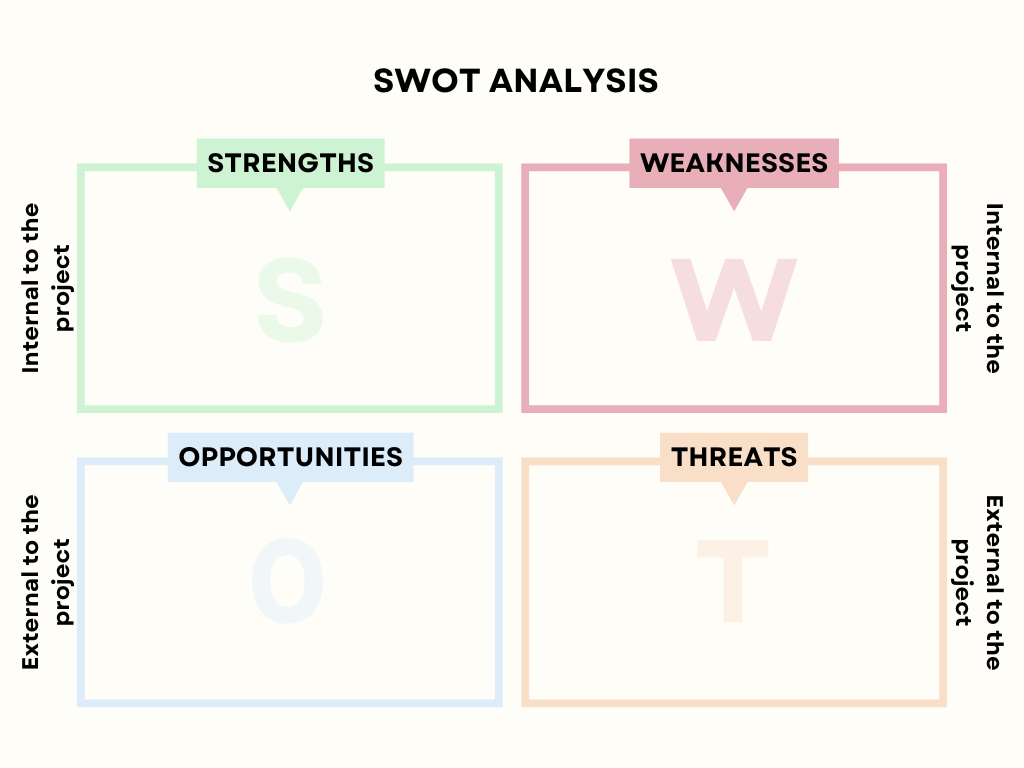
Figure 6
3. Implement a cycle of continuous improvement
Armed with insights from monitoring tools and SWOT analyses, turn knowledge into action:
Set clear sustainability and compliance goals
Define measurable, time-bound targets—like reducing water usage by 15% next year or achieving a recognised eco-label within 12 months. Linking these goals to your business plan helps maintain focus and measure progress.
Evaluate and adjust periodically
Regularly review performance indicators (e.g., energy consumption per guest night, number of local suppliers engaged, reductions in waste) and reassess your strategic approach. If a sustainability measure doesn’t yield the expected result, refine it or try a different approach.
Innovate continuously
Consider adopting emerging technologies (e.g., solar panels, grey water recycling systems) or exploring new tourism segments (e.g., wellness retreats, citizen science tours) to differentiate your offering. Innovation inspired by market data and risk assessments keeps your venture agile and competitive.