
Actionable Tips and Strategies
To achieve environmental sustainability, it is critical to know about specific strategies and best practices that can be implemented by the private sector, public administrations and individuals. These strategies are aligned with global sustainability goals and help create long-term, positive environmental impacts.
Managing materials and waste
A core initiative is the adoption of recycling and reuse practices based on the principle of the “3 Rs” — Reduce, Reuse, and Recycle. This raises awareness among staff regarding responsible consumption and ensures that every day, in-office and out-of-office materials such as paper, furniture or electronic devices are environmentally friendly.
For example, using recycled materials, non-toxic and water-based adhesives, and selecting energy-efficient electronic equipment. A good idea might be to avoid disposable or single-use items in favour of rechargeable alternatives. Furthermore, this strategy can be transferred and applied to the food realm, giving preference to sustainable food choices.
Fogo Island Inn, a prime example of sustainable tourism, supports local producers by sourcing food and materials from the island itself.
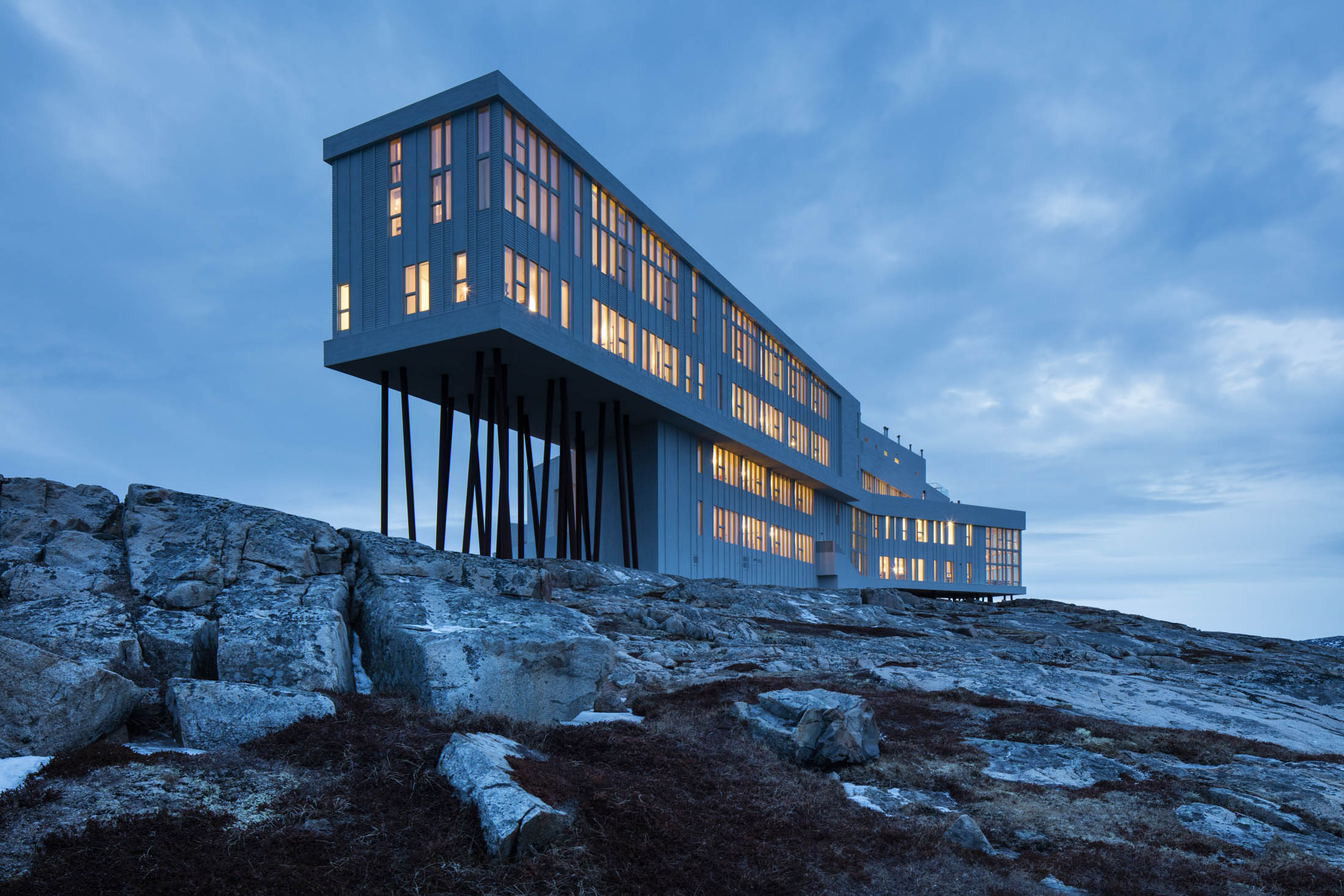 Image 19 https://www.reddit.com/r/
When talking about waste management, the use of separate containers for different types of waste, such as paper, plastic, glass, and organic materials, is very important. Also, we should try to purchase products with minimal packaging and support suppliers that are committed to waste reduction and recycling.
For instance, the Patagonia brand has embraced a zero-waste approach, with initiatives like fabric recycling and a product repair program, significantly reducing waste while promoting sustainability.

Image 20 https://footwearnews.com/
Energy consumption
In environmental conservation, energy is a critical factor, particularly in terms of greenhouse gas emissions. The Promoción Social Foundation (2017) offers us several tips to reduce consumption:
In terms of direct energy use, the Foundation optimises lighting and electrical equipment. It uses energy-efficient lighting systems and encourages employees to turn off lights and electronic devices when not in use, while also taking advantage of natural lighting wherever possible. A good idea is to replace older, inefficient equipment with energy-efficient models, such as flat-screen monitors and laptops.
In terms of indirect energy use, reducing energy consumption related to air conditioning and domestic hot water is crucial. This includes using energy-efficient air-conditioning systems, ensuring regular maintenance of heating and cooling equipment, and setting temperatures within energy-saving ranges. All of this, of course, with energy that comes from renewable sources.
IKEA, for example, has invested heavily in renewable energy across its stores and warehouses, achieving significant reductions in energy costs and greenhouse gas emissions.
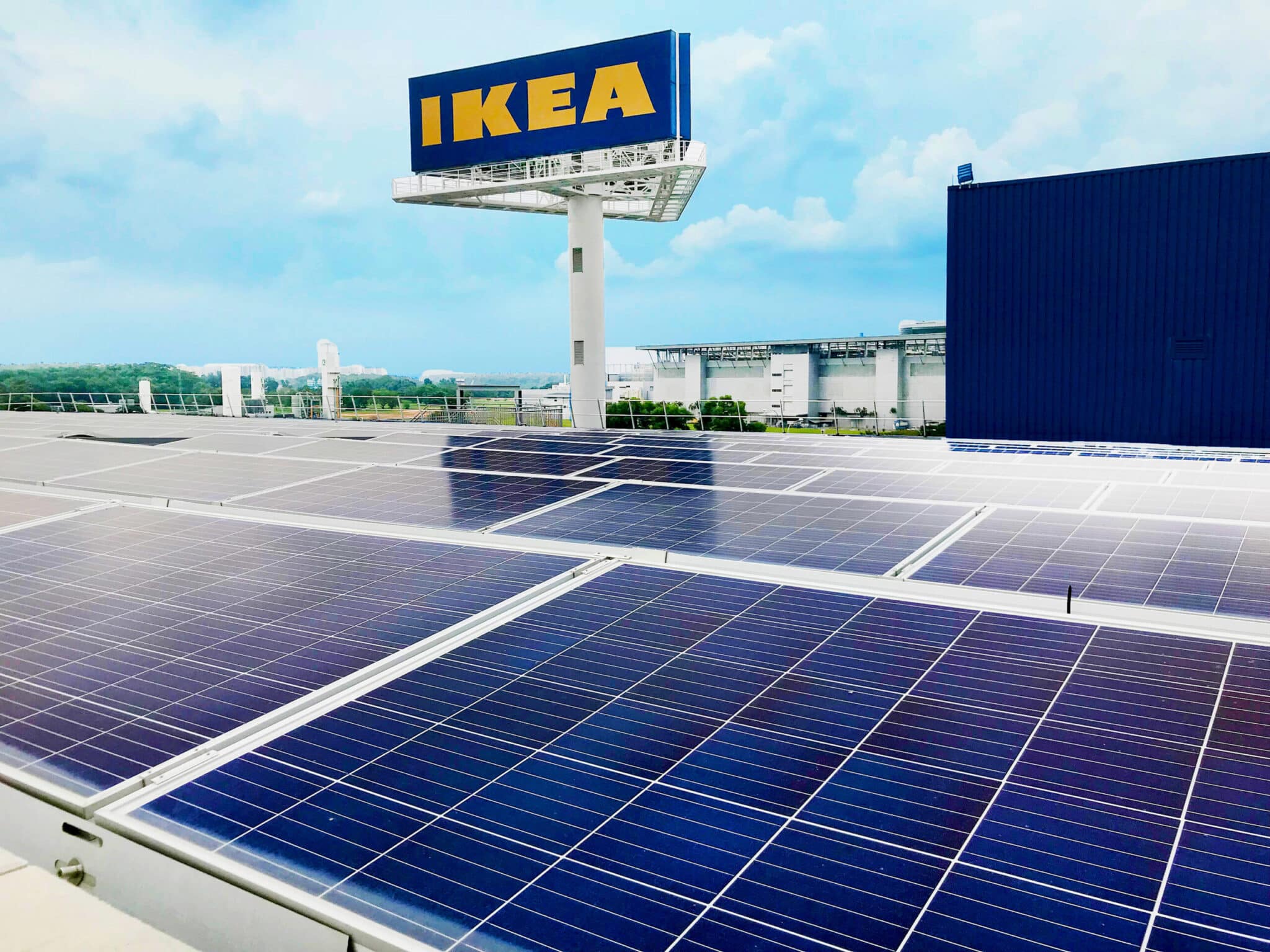 Image 21 https://www.intelligentliving.co/
Water-use management
One of the biggest sustainability efforts is water conservation. Responsible water use can be ensured if we prioritise low-flow taps, timers, and flow reducers. It also ensures that any leaks or water wastage are promptly addressed, as even small issues can lead to significant water loss. If necessary, we must promote awareness about the importance of reducing water waste, such as avoiding unnecessary flushing in toilets and using water efficiently in communal spaces like kitchens and restrooms.
Transportation
“Taking public transportation reduces air pollution and improves road congestion” (Angeli, 2022). To promote sustainable transportation, we might mention the use of low-emission vehicles (e.g. hybrids), public transport, carpooling and cycling.
Communication
There are some measures we can implement to reduce the environmental impact of communication in our daily lives. These include reducing the need for printing by promoting the use of digital communications, such as email, digital signatures, and intranets.
Moreover, the use of videoconferencing for meetings reduces the need for travel and, therefore, its associated emissions.