
Conceptual Framework
1. Introduction
Imagine participating in a tourism initiative that provides memorable experiences for visitors, while strengthening the community and protecting the environment. This is the purpose of leadership and community engagement in ecotourism. In an era where sustainable practices are vital, there is a growing need for young leaders who can bring together diverse groups, inspire meaningful change and ensure that tourism benefits both people and nature.
Key concepts:
Leadership in ecotourism
Effective leadership in ecotourism is not just about directing activities, but about inspiring positive impact. It involves having the vision and skills to guide projects that benefit both the environment and the community.
Leaders in ecotourism act like conductors in an orchestra, bringing together diverse participants — community members, businesses and visitors — to create a sustainable tourism experience.
Community engagement
Community engagement serves as a bridge between tourism activities and residents, ensuring that communities are not merely observers but active participants.
This engagement enables communities to contribute their cultural insights, influence decision-making and gain meaningful benefits from tourism in their area.
Sustainable tourism
Sustainable tourism is the guiding principle for creating tourism experiences that benefit everyone, not only today but well into the future. It requires a thoughtful approach to welcoming visitors, preserving the environment, honouring local culture and creating opportunities for community members.
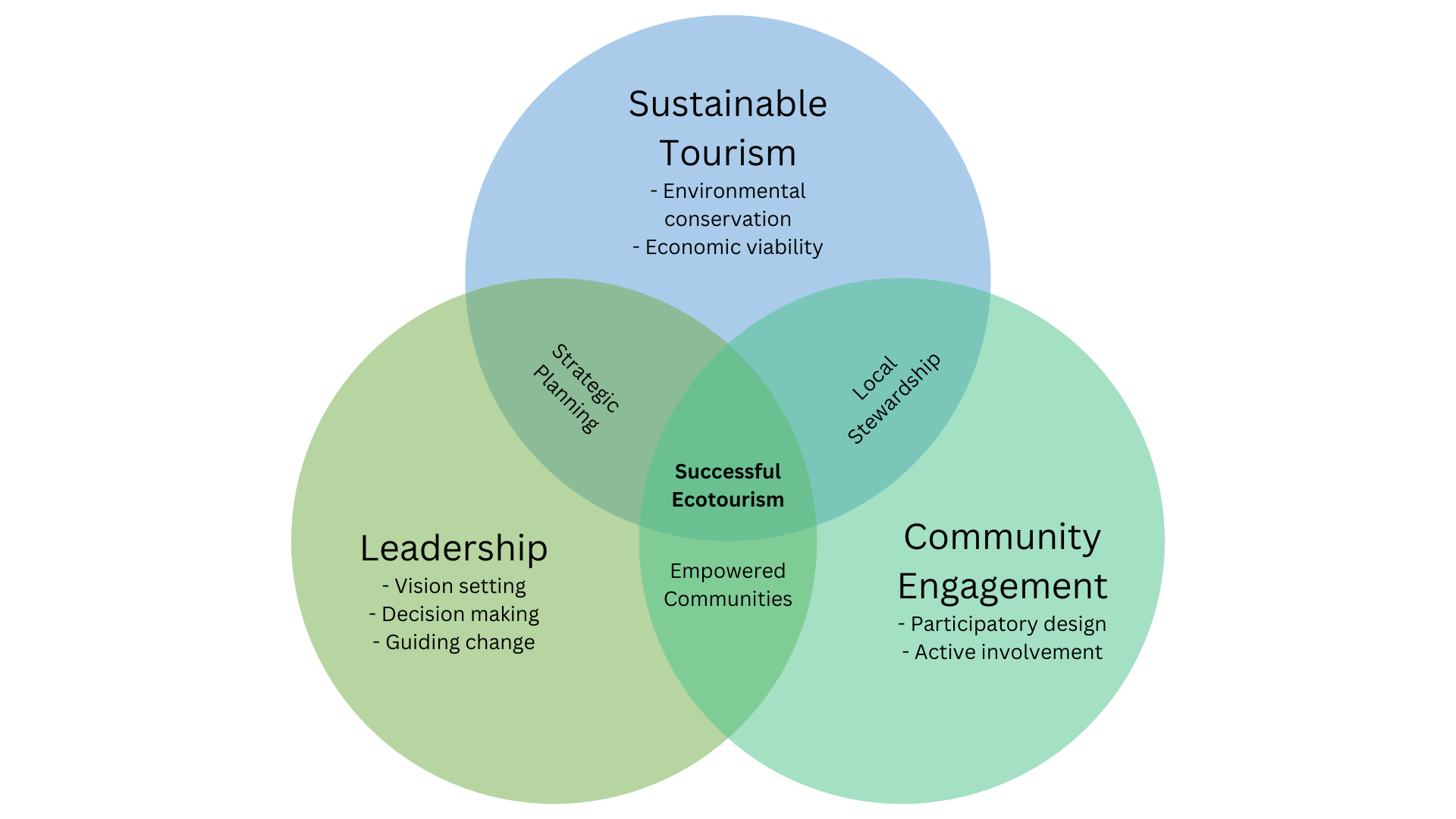
Figure 9 – Leadership & Community Engagement in Ecotourism
2. Leadership in Sustainable Tourism
For an ecotourism project to truly succeed, strong leadership is essential at all stages of the project management. At the same time, leaders must adapt their roles and responsibilities as projects evolve, ensuring the adoption of sustainable practices in all activities.
Leadership in context
In ecotourism, leadership goes beyond traditional project management. Leaders must:
● Guide initiatives with a clear sustainability vision
● Balance environmental protection with community benefits
● Foster collaboration among diverse stakeholders
● Inspire commitment to sustainable practices
Leadership vs. Management
While management ensures operational efficiency, leadership drives transformation:
Leadership elements
● Creating and communicating vision
● Building relationships and trust
● Inspiring sustainable innovation
● Empowering stakeholder participation
Management functions
● Organising resources and activities
● Implementing sustainable practices
● Maintaining project timelines
● Managing budgets and resources
Project management and leadership roles
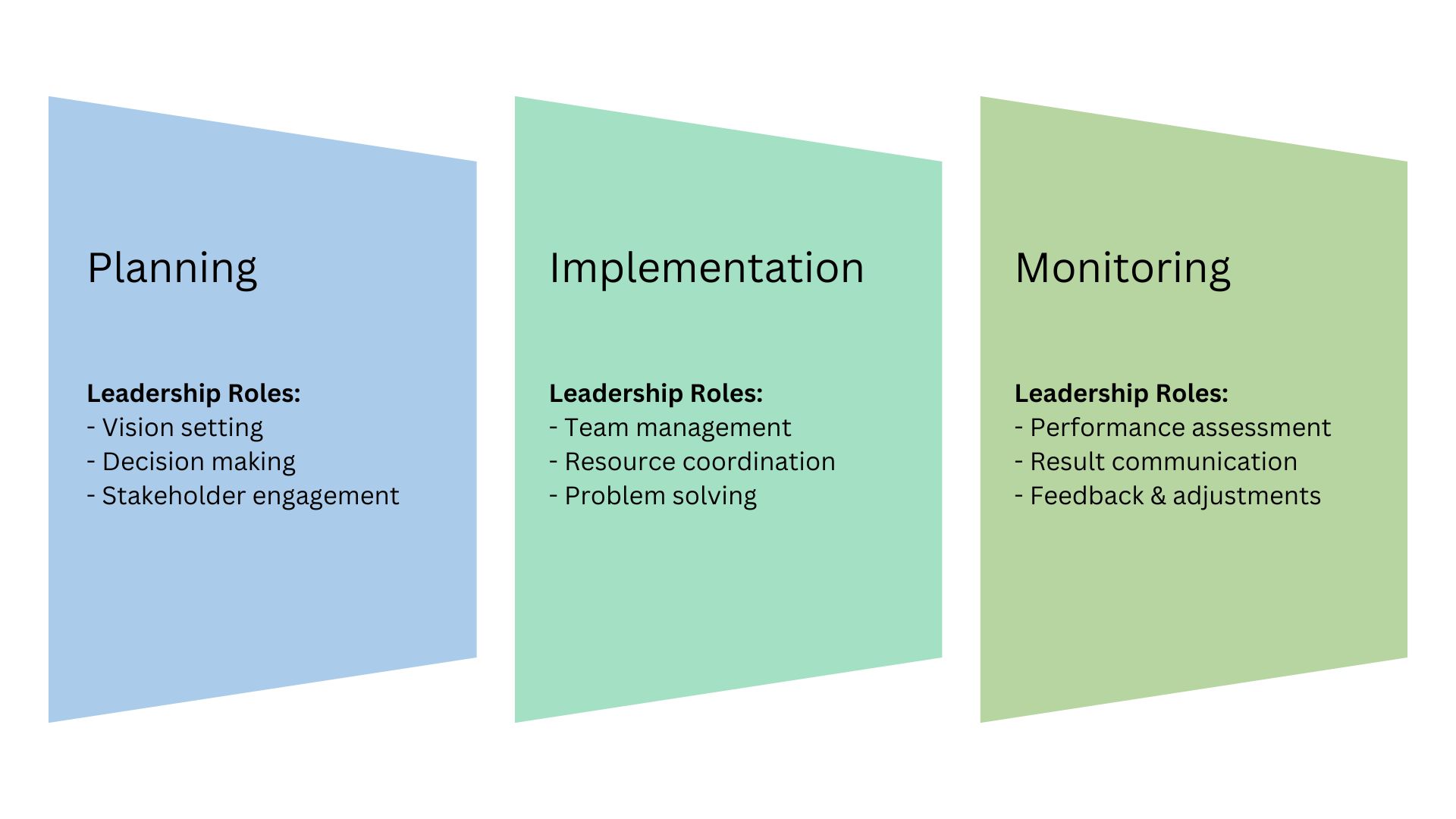
Each project stage requires specific leadership approaches:
Planning stage:
● Setting clear sustainability goals
● Making strategic decisions
● Engaging stakeholders in project design
● Establishing environmental guidelines
Implementation stage:
● Managing diverse teams
● Coordinating resources effectively
● Solving emerging challenges
● Maintaining stakeholder relationships
Monitoring stage:
● Assessing project performance
● Communicating results
● Gathering stakeholder feedback
● Adapting strategies as needed
3. Community engagement and partnerships
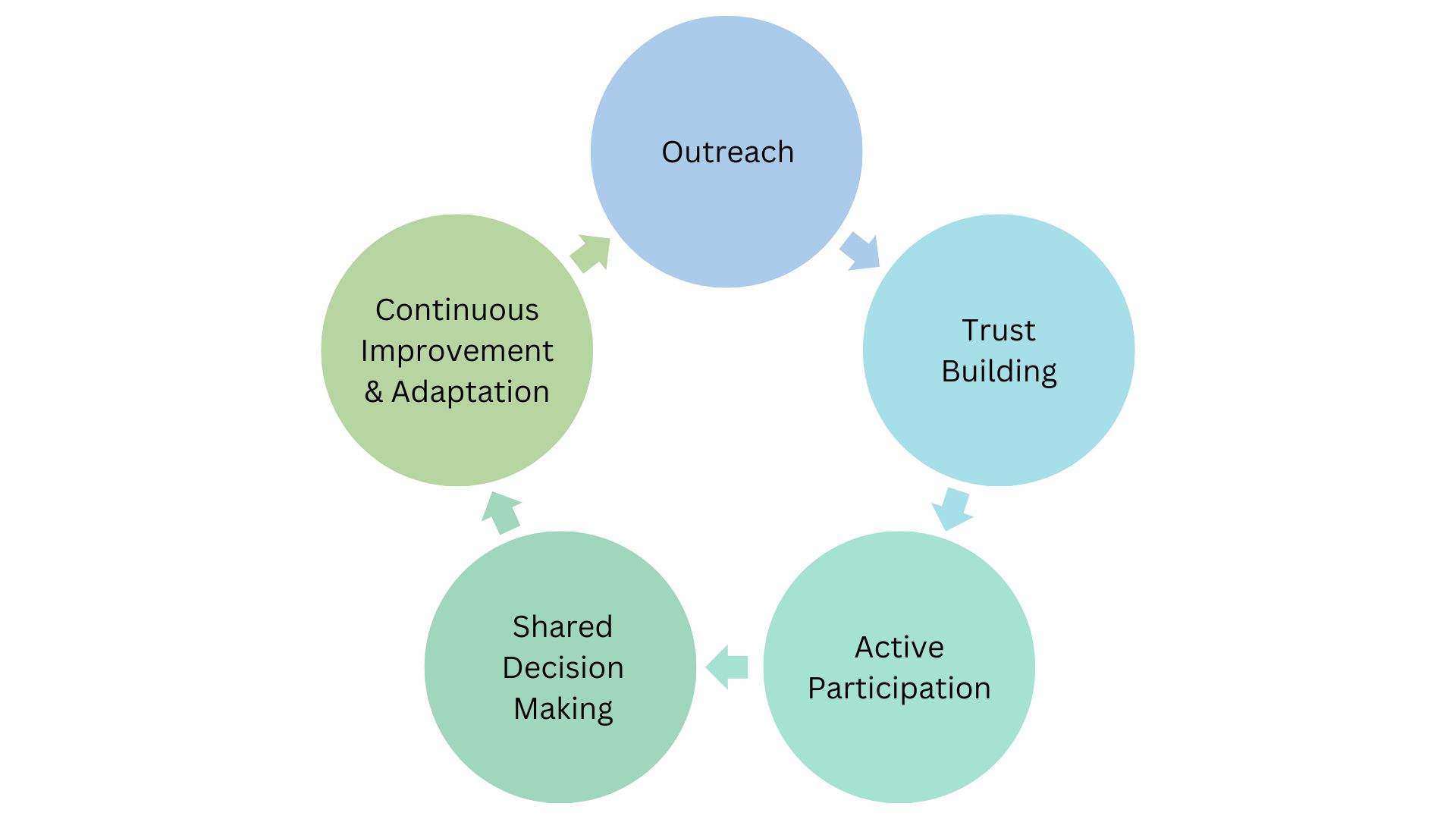
Successful ecotourism relies on meaningful community involvement and strong partnerships. When local communities are actively engaged and supported by effective partnerships, tourism initiatives become more sustainable and create a lasting positive impact.
Why community engagement matters
Community engagement is not just a nice-to-have element – it’s essential for sustainable tourism success, as it:
● Ensures tourism development aligns with local values and needs
● Creates a sense of ownership and pride in tourism initiatives
● Protects and promotes authentic cultural experiences
● Generates direct economic benefits for locals
● Builds long-term support for conservation efforts
Collaborative problem-solving & participatory design
Effective community engagement enables creative solutions to common challenges:
Identifying opportunities:
● Local knowledge reveals unique tourism potential
● Community insights help avoid cultural misunderstandings
● Traditional practices inform sustainable approaches
Addressing challenges:
● Joint problem identification and analysis
● Shared responsibility for solutions
● Balanced consideration of all stakeholder needs
● Regular feedback and adjustment mechanisms
Building partnerships
Strong partnerships create a supportive network for sustainable tourism:
Key partnership types
● Local Business Collaborations
● Government Agency Relations
● NGO and Conservation Groups
● Educational Institutions
● Tourism Industry Networks
Partnership benefits
● Shared resources and expertise
● Broader support networks
● Enhanced project credibility
● Greater impact potential
4. Leadership styles: Features & application in Ecotourism
Leadership styles describe the key behaviours and approaches that are displayed by managers and leaders. The three leadership styles that leaders in ecotourism can adopt are the following:
Transformational leadership
Transformational leaders in ecotourism inspire and motivate others by creating a compelling vision for sustainability. They foster a culture of change, encouraging stakeholders and communities to embrace sustainable practices, while driving innovation and environmental responsibility, which are crucial for the success of ecotourism initiatives in the long run.
Servant leadership
Servant leadership prioritises the well-being of the community and the environment over personal or organisational benefit.
Servant leaders in ecotourism work closely with local communities to ensure that tourism initiatives respect cultural heritage, address local needs and deliver benefits equitably.
Collaborative leadership
Collaborative leaders in ecotourism facilitate cooperation among diverse stakeholders, from local communities to environmental NGOs. They ensure that all parties are involved in decision-making, bringing together various perspectives to address sustainability challenges effectively.
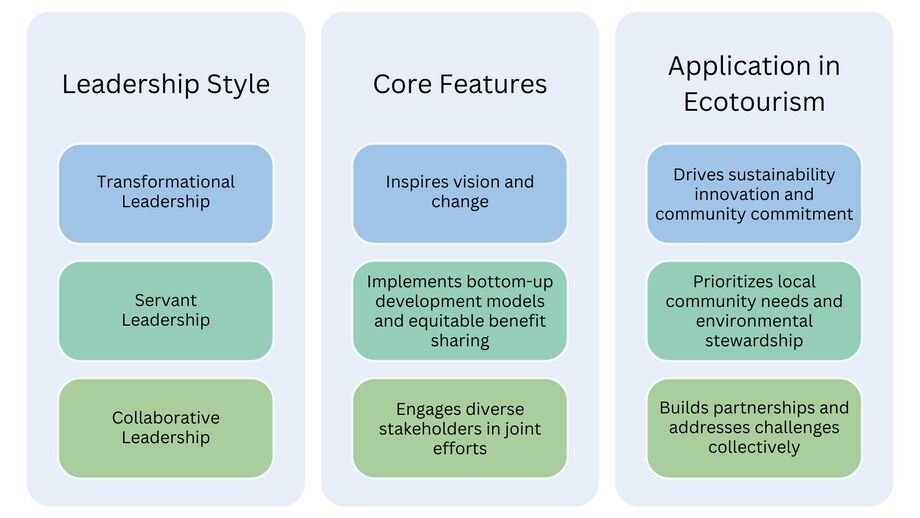
Figure 12 – Leadership styles – Features & application in Ecotourism
5. Conclusion
In summary, effective leadership and community engagement are essential for sustainable ecotourism. Leaders who prioritise sustainability, engage local stakeholders and foster strong partnerships lay the groundwork for tourism that respects the environment and empowers communities.
Through visionary leadership, ecotourism can balance economic benefits with environmental stewardship, serving as a tool for sustainable development.
Youth workers, teachers and academics should nurture leadership qualities to inspire future leaders committed to sustainable, community-engaged tourism practices. By working together to create responsible and impactful tourism initiatives, they can drive meaningful change within their communities and the broader industry.